Using this time of self-isolation at home I thought I would spend some time writing up some of the inspirational and interesting stories told to me by fascinating characters I have met over my decades in Asia. Some of these stories are covered in my three life story books on South East Asia and India and some have been told to me by elderly Myanmar citizens for my Myanmar Oral History Podcast.
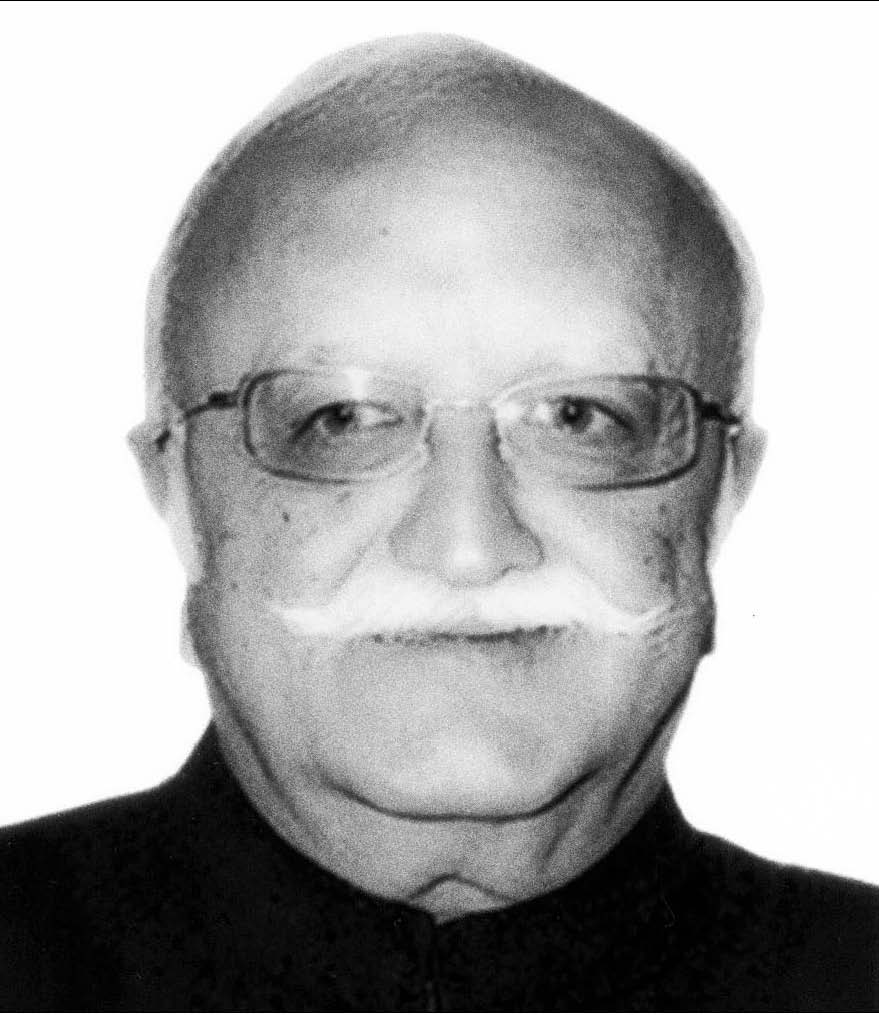
The last two stories in these posts have been about individuals who started life with little. I thought you might be interested to read a story about someone who started life with the opposite. It is the story of Vijaypat P Singhania (known to most as “VPS”) and who is a Facebook friend. But before I delve into his life, I would like to provide some historical and social context for those of you unfamiliar with India. The Singhania’s origins are in the village of Singhana in Rajasthan; an area famous for its fierce inhabitants and most of whom have lived hand to mouth in its unforgiving land for centuries. There are two main ethnic groups in Rajasthan are the Marwaris and the Merwaris. The Marwaris are made up of an equal mix of the warrior caste Kshatriyas and merchant traders. Many Marwaris over the centuries left the barren lands of Rajasthan for the cities and have excelled in business. VPS’ Raymond Group is one such example.
By the time VPS was born in 1938 the family had been extremely wealthy for generations. The wealth came predominantly from textiles. They made a fortune during both World Wars producing, not only military uniforms for the British, but a wide range of other equipment and food such as tents and cashew nuts. VPS’ uncle was knighted by the British Government for his services during WW2.
And so, VPS was born into a life, not only of wealth, but prestige given that the wealth had become “old”. But he was not a happy child. His mother died when he was four and, not long after, his father remarried to a woman who VPS describes as the classic “wicked stepmother”. Apparently, she used to beat him and his brother several times a day and frequently moved VPS and his brother between schools. VPS told me “we never visited friends outside of school and they never visited us. A watchman used to take us to school and bring us home.” To think of going to a movie or a restaurant was out of the question. VPS lived in what is known as a “joint family” where it is common for parents, sons and their families to all live together. After he came home from school he and his cousins would wash and then sit together with guardian teachers and tutors to do their homework and for more lessons. These teachers taught the children to refer to their cousins as “brothers”, reinforcing the Hindu joint family concept.
When he was only 12 his father arranged for him to marry a young girl from Calcutta who reminded his father of VPS’ mother. VPS was never told of this by his father although his cousins teased him about it. The first he formally knew of the marriage was when the two-week marriage ceremony started in 1956. He tragically told me he never managed to have a relaxed and friendly chat with his father right up to the time he passed away. Sadly, VPS’ formal and reserved upbringing has carried through to his relationship with his own children and he emotionally told me “the first time I knew what the four-letter word ‘love’ meant was when I saw my first granddaughter.”
But back to what he did with his life post childhood. His father made him study commerce and economics as it was expected he would go into the family business to which he felt most unsuited as his passion lay more in the area of maths and science. Unhappily he joined the family business. Around this time, he developed what he says became an addiction or obsession with flying and which eventually took priority over everything else. He told me “In flying maybe I was seeking to escape the reality of a broken home… I know when I was in the sky that I found temporary solace that allowed me to reconcile myself to the life I led on the ground.” Over the years he learned to fly every commercial aircraft available in India, flew a microlight from London to New Delhi and had the world record for the highest hot air balloon ascent. But one story from that era stands out for me. He wanted to fly a Boeing 737, but Indian Airlines would not let him train on its simulator. That was no problem for VPS as he travelled to Miami and trained there, gaining a US licence to fly 737s with a Captain’s rating. On his return to India he asked the Director General of Aviation to recognise his US licence and allow him to fly in India. The Director General refused. This was a big mistake! VPS was able to point out that, if India did not recognise US licences, then the US would not recognise Indian licences, thereby meaning Indian Airlines could not fly to the US. The DG backed down.
I am sure you will find it difficult to believe what I am about to tell you. The years went by and, in due course, VPS became a very hard working and successful Chairman of Raymond. That makes sense. But, at the same time, VPS became a commercial pilot for a number of Indian airlines. Given who he was, the airlines would give him early morning flights out of and back to Mumbai, where a car would meet him and take him to the office. He admits he fell asleep at more than one Board meeting he was chairing. He kept this up until 1998 when under Indian regulations he could not fly commercially over the age of 60.
When I last had lunch with VPS in Mumbai a few years ago, on parting I said I hoped he would be able to reconcile with his family. I am sure this is what he, above all, wishes for too.
 Peter Church blog